

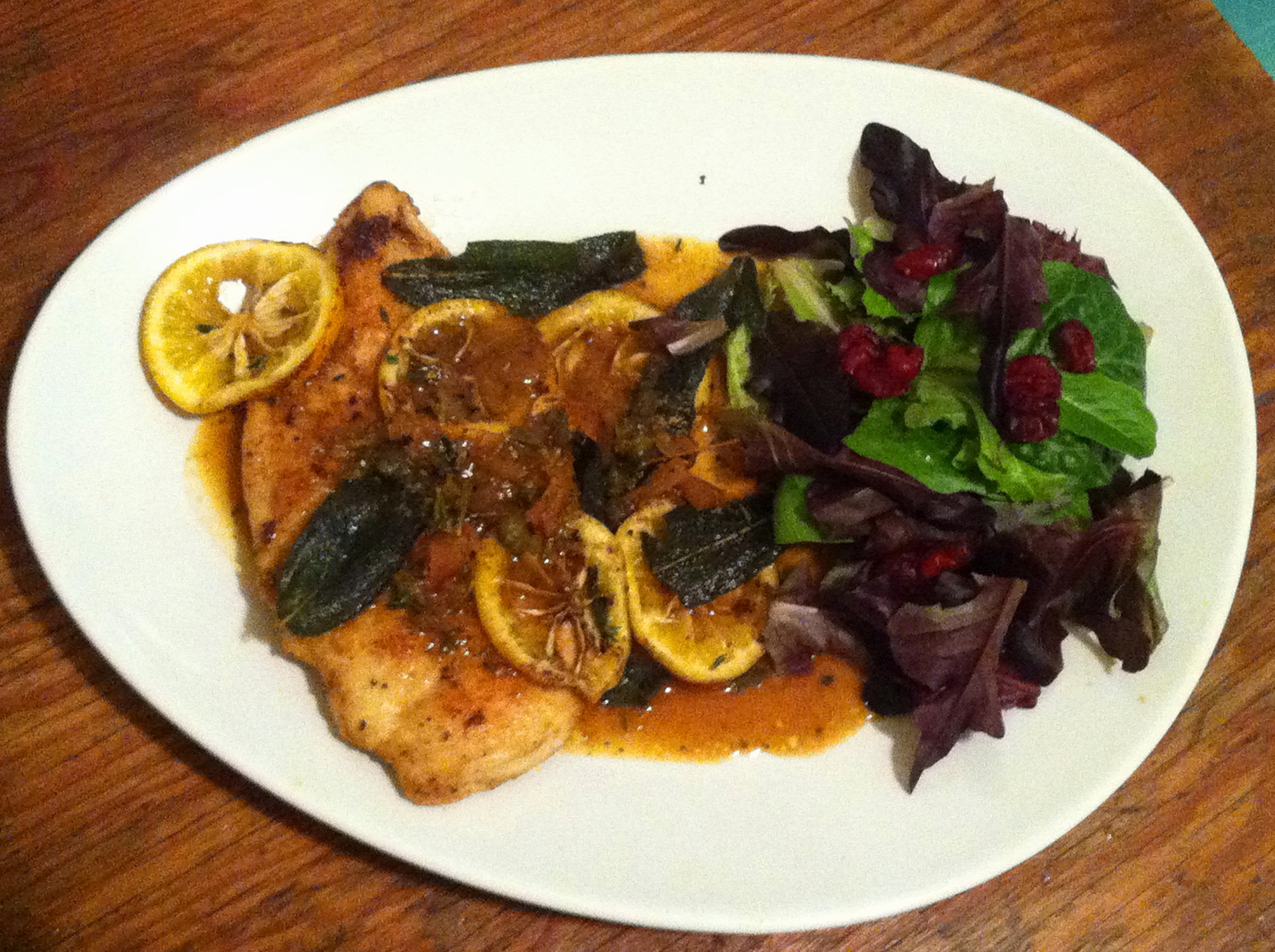
Submitted by Beth Alyse Snyder, Owner and Executive Stylist at Guerrilla Makeovers.
When I first moved from New England to California, I remember having lots of conversations about California culture with kids who had grown up here. There were so many differences between how we had lived our lives in the two places. What really stuck with me were the differences I discovered in the category of shared family meal traditions. Where we East Coasters learned to cook a cozy winter meal rotation of tomato-, starch- and root vegetable-based comfort foods reflecting the European cultural traditions of where we’d grown up, these Pacific Rim California kids were being raised on a diet of lemongrass chicken and herb-crusted fish, while cooking with locally-sourced seasonal fresh produce all year round (an often-overlooked treat that our shrinking world has made possible, which barely even existed 15 years ago.)
So this is my take on that dichotomy…a single recipe with only three ingredients changed (one acid, one herb, and one spice – highlighted in green) yet reflecting a tremendous shift in culture 3000 miles from East to West within the same country.
View Part 2: East Coast Stovetop Italian Chicken Diavolo
Region: Americas
Recipe Origin: USA
Ingredients
- 1 pound of chicken
- 1/4 c. olive oil
- 2 tbsp unsalted butter
- A few pinches of flour
- A few pinches of salt
- A few pinches of pepper
- Pinch of paprika
- several large fresh sage leaves
- 3 to 4 very ripe Meyer lemons or other sweet lemon (depending on size)
- 2 large shallots
- 1-2 cloves of crushed garlic
- 1 tsp of whole capers
- 3-4 stalks of chopped fresh thyme
- 1-2 stalks of chopped fresh rosemary
- 2 c. of white wine
- small piece of fresh ginger OR 1/4 tsp of dried ginger
- 8-12 oz. stock (chicken or vegetable)
- 1-2 tsp of light brown sugar (according to taste – key is to soften the acidity of the dish)
- 1 to 1.5 cups of grated fresh parmesan or romano cheese
Preparation
Chicken
- Melt 1/4 c. olive oil and 2 tbsp unsalted butter in a large high-sided pan or Dutch Oven
- Lightly flour, salt, and pepper chicken cutlets, and dust with paprika
- Sautée chicken evenly on both sides until cooked through
- Set chicken aside, cover and let rest, reserving sautée oils in pan
Sage Leaves
- Rinse and pat dry several large fresh sage leaves
- Sautée lightly in the oil and butter mixture, turning once, until crisp. Set aside.
Lemon Garnish
- Thinly slice (1/4″) one very ripe Meyer or other sweet lemon (remove pits)
- Sautée lightly in the oil and butter mixture without turning until very soft. Set aside.
Sauce
- Sautée 2 large, finely chopped shallots in the oil and butter mixture until translucent
- Add 1-2 cloves of crushed garlic
- Add 1 tsp of whole capers
- Add 3-4 stalks of chopped fresh thyme
- Add 1-2 stalks of chopped fresh rosemary
- Deglaze the pan with 2 c. of white wine
- Zest 1 tsp. of lemon zest directly into the pan
- Juice 2 medium Meyer or other sweet lemons directly into the pan
- Add a couple of grates of fresh ginger, OR 1/4 tsp of dried ginger
- Add 8-12 oz. stock (chicken or vegetable)
- Add 2 tsp of light brown sugar (to taste)
- Add 1-1.5 cups of grated fresh parmesan or romano cheese
- Pepper and salt (VERY lightly) to taste
- Simmer until sauce is at desired thickness (this will take about half as long for the Stovetop Italian Chicken Diavolo)
- Top chicken cutlets with sauce, sautéed lemons, sage and finish with chopped fresh herbs.
Beth Alyse Snyder is the owner and executive stylist at Guerrilla Makeovers, San Francisco’s premiere personal styling company. Beth Alyse is as passionate about food as she is about fashion and beauty, and loves to spend her free time inventing new recipes and creating fresh new makeovers for her old favorites.

 ancestreats.com
Beth, thank you for sharing this two part series. We love seeing how only a few minor recipe updates can create a totally different dish that reflects another cultural influence. Fun!